
I was sitting in my study last night, cleaning the lens on my telescope, when I remembered the look on a friend’s face after he’d spent three weeks—and nearly five hundred quid—trying to figure out how to build a site for a club. He’d been sold a dream of “all-in-one” platforms that promised the moon but delivered nothing but monthly subscriptions and a headache. It’s a racket, really. They make the process look like rocket science just so they can charge you for the privilege of actually getting online.
I’m not here to sell you a shiny new subscription or a “revolutionary” drag-and-drop builder that breaks the moment you touch it. I’ve been doing this since ’97, and I’ve learned that the most effective way to get a club online is the simplest one. I’m going to show you how to grab a domain, find a reliable host, and get the job done in a single afternoon. No fluff, no upselling, and certainly no nonsense.
Pick Sports Club Website Templates and Get Moving

Once you’ve got your domain and hosting sorted, don’t let the “design” phase paralyze you. I’ve seen people spend months debating hex codes and font weights, but for a club, you just need something that works. Look for sports club website templates that are already built with a logical structure. You aren’t building a digital art gallery; you’re building a noticeboard that happens to live online. Pick a layout that has a clear spot for your schedule and a way for people to contact you, then stop tinkering.
The real trap is when a provider tells you that you need a bespoke, high-priced solution to handle your players. Most of the time, a decent template will already include basic membership registration features that do the heavy lifting for you. You don’t need a complex, custom-coded engine to sign up ten new members. Just ensure the template can host a simple form and an event calendar for clubs. If it does those two things, you’re ahead of the game. Get the bones in place, get it live, and deal with the polish later.
Set Up an Event Calendar for Clubs Today
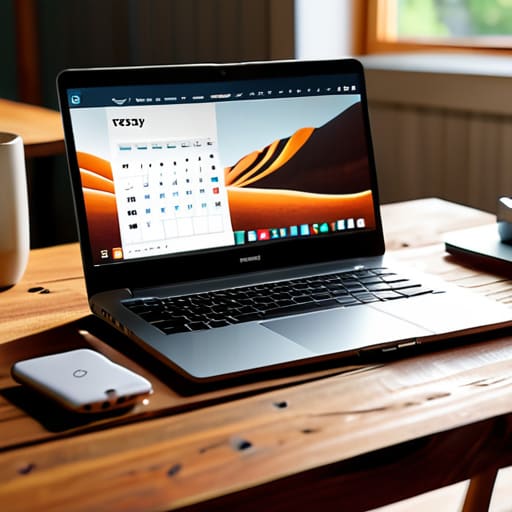
Once you’ve got the look of the site sorted, you need to give people a reason to come back: a reason to check the schedule. An event calendar for clubs shouldn’t be some complex, proprietary system that requires a monthly subscription just to show that training starts at 7 PM on Tuesdays. Most of these companies will try to push heavy-duty club management software integration on you, promising “seamless connectivity,” but for a local club, that’s usually just a fancy way of saying they want your credit card details.
I’ve seen enough “all-in-one” platforms to know that simplicity is your best friend. If you’re using a standard CMS like WordPress, there are plenty of free plugins that do the job perfectly well. You want something that lets you list match dates or committee meetings without needing a degree in computer science. Keep it lean. Unless you specifically need complex membership registration features or a full-blown online member portal setup, don’t let them talk you into the “premium” tier. Just get the dates on the screen and keep the clutter to a minimum.
Five things they won't tell you in the sales pitch
- Keep your content lean. You don’t need a high-resolution video gallery of every practice session; you need a clear schedule and a way for people to find you. Most of these “all-in-one” builders will try to sell you premium storage for files nobody is going to download.
- Don’t get caught in the plugin trap. I’ve seen people spend three weeks installing “essential” widgets for things a simple text page could handle. If a tool doesn’t solve a direct problem for your members, leave it out.
- Stick to a single email address for everything. Don’t let a hosting company convince you that you need a “professional suite” of twenty different mailboxes. One address—[email protected]—is plenty to start with.
- Test the mobile view before you celebrate. Most of your members will be checking the match results or meeting times on their phones while standing in the rain or sitting on a bus. If the buttons are too small to hit with a thumb, you’ve wasted your afternoon.
- Avoid the “subscription creep.” Every time you click “upgrade” to get a new feature, you’re just increasing your monthly overhead. If you find yourself needing a complex membership portal, you’ve probably outgrown a simple site and should look at dedicated software instead of just adding more layers to your host.
The bottom line
Don’t let them talk you into a “premium” package; if you have a domain, a host, and a template, you’re already 90% there.
Keep your tech stack lean—if a feature isn’t helping the club members actually find information, you don’t need it.
Avoid the subscription trap by checking what you actually own versus what you’re just renting from a provider.
Cutting through the noise
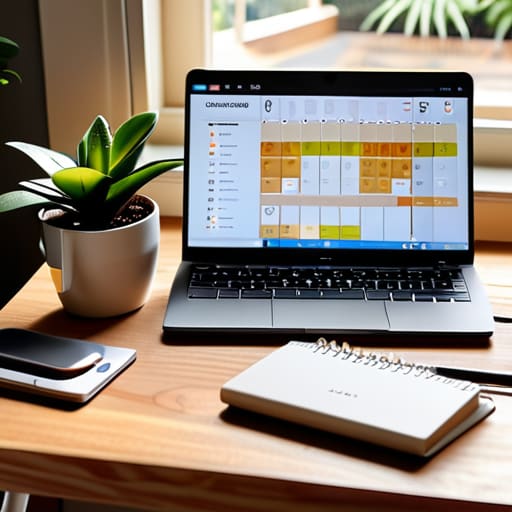
At the end of the day, you’ve done the heavy lifting. You’ve picked a template that doesn’t look like it was designed in 1998, you’ve set up a calendar so members actually know when to show up, and you’ve avoided the trap of buying “premium SEO packages” that nobody actually needs. Just remember: a club website isn’t a piece of high-end engineering; it’s a digital noticeboard. Keep it simple, keep it functional, and don’t let the hosting providers talk you into a subscription for a “managed security suite” that costs more than your annual kit budget. You have your domain, your host, and your site is live.
I’ve spent decades watching the tech industry try to make the simple seem complicated just to pad the invoice, but you’ve bypassed all that nonsense. Now that the technical bit is out of the way, get back to what actually matters—running the club and enjoying the sport. Your website is there to serve your members, not to be a constant project that drains your time and wallet. Once the lights are on and the pages are loading, stop tinkering and start using it. The best site in the world is useless if you’re too busy managing it to actually play the game.
