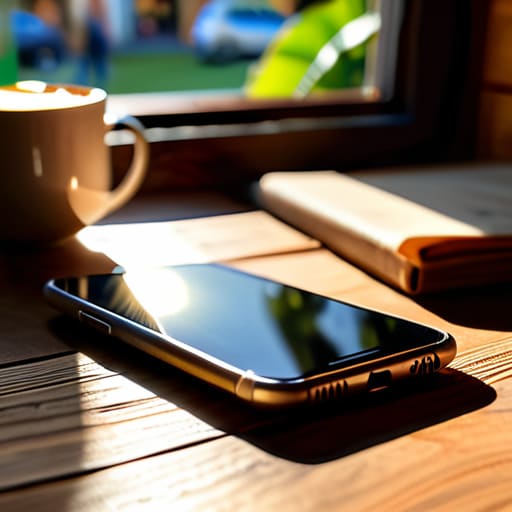
I spent most of my career as a systems engineer, so I have a low tolerance for things being made more complicated than they actually are. Lately, I’ve noticed people being sold this idea that you need a three-thousand-pound DSLR and a studio lighting kit just to figure out how to take photographs for your site. It’s nonsense. They want you to believe that without professional gear, your project looks amateur, but that’s just a clever way to empty your pockets. I’ve spent many late nights under the stars with my telescope, and if there’s one thing astrophotography taught me, it’s that it’s about how you use the light you’ve got, not how much you spent on the glass.
I’m not here to sell you a course or a piece of hardware. My goal is to show you how to get decent, clean, and honest images using what you already own—likely that smartphone sitting in your pocket. We’re going to skip the fluff and focus on the basics of composition and natural light so you can get back to the actual work of building your business. If you can follow a simple checklist in a single afternoon, you’ll have everything you need.
Mastering Natural Lighting for Photography Without a Studio

You don’t need a room full of expensive softboxes or a studio rental to get decent results. In my experience, the best light is usually free, provided you know where to look. I always tell people to ditch the overhead office lights—they make everything look sickly and yellow—and head straight for a window. Using natural lighting for photography is the simplest way to avoid that amateur, washed-out look. If the sun is hitting your subject directly, it’ll be too harsh; just pull a thin, white curtain across the glass to act as a makeshift diffuser. It softens the shadows and makes the whole scene look much more professional without costing a penny.
Once you’ve found your light, don’t overcomplicate the setup. I’ve spent many an evening squinting through a telescope for my astrophotography, so I know a thing or two about light management, but for a website, simplicity wins. Just keep your subject near that window and watch how the light wraps around it. It’s one of those basic product photography tips for e-commerce that people often overlook because they’re too busy looking for a technical solution that doesn’t exist. Just find the light, steady your hands, and get on with it.
Smartphone Photography for Business Your Only Real Tool
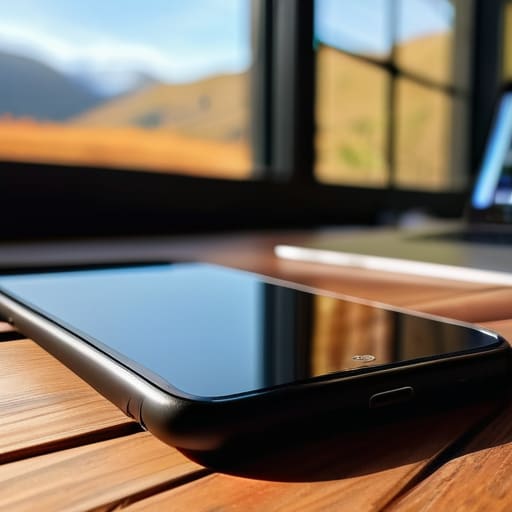
I’ve seen enough people blow their entire startup budget on a DSLR and a tripod before they’ve even registered a domain. It’s a classic trap. Honestly, if you’ve got a decent smartphone in your pocket, you already have everything you need. These devices have sensors that are more than capable of improving image quality for websites, provided you aren’t trying to shoot in a dark basement. I remember back in the late 90s, we had to struggle with much worse hardware just to get a decent bitmapped image online.
The trick to effective smartphone photography for business isn’t about having the newest model; it’s about how you handle the device. Keep the lens clean—wipe it on your shirt if you have to—and avoid using that digital zoom that turns everything into a grainy mess. Use the physical zoom or just move your feet closer. If you focus on steady hands and decent light, you’ll find that your “amateur” shots look perfectly professional once they’re framed within your site’s layout. Don’t let the gear get in the way of the launch.
Five ways to avoid looking like a cheap amateur
- Stop hunting for the “perfect” shot. I spent years chasing the ideal composition only to realize that a clean, simple photo of what you actually do is worth ten times more than a staged masterpiece. If you’re a carpenter, show the wood grain; if you’re a consultant, show the desk. Keep it honest.
- Watch your background clutter. I’ve seen too many business sites ruined by a “professional” portrait that has a stray coffee mug or a mess of cables in the frame. It’s distracting. Clear the desk, move the laundry pile, and make sure the focus stays on the subject, not the mess behind it.
- Learn the rule of thirds without overcomplicating it. You don’t need a degree in geometry; just imagine a tic-tac-toe grid over your screen. Place the important stuff—your product or your face—along those lines or where they intersect. It instantly makes a photo look intentional rather than accidental.
- Consistency is better than quality. You don’t need a DSLR for every single shot, but you do need them to look like they belong to the same family. If one photo is bright and airy and the next is dark and moody, your website will look like a digital junk drawer. Pick a vibe and stick to it.
- Don’t let the “edit” become a second job. I know the temptation to go wild with filters, but most of the time, you just need to tweak the brightness and contrast slightly so the image pops. If you spend more than ten minutes editing a single photo, you’re procrastinating. Get back to building the site.
The Bottom Line
Forget the professional gear; if you can take a clear photo of the stars through a telescope, you can take a decent photo of your product with a smartphone.
Stop chasing perfection and start chasing light—natural sunlight is free, and it’ll do more for your site than a thousand-pound studio kit ever could.
Don’t let the “pro” talk scare you into buying expensive assets; your goal is to have a site that looks real, not one that looks like a generic brochure.
Enough Theory, Start Shooting
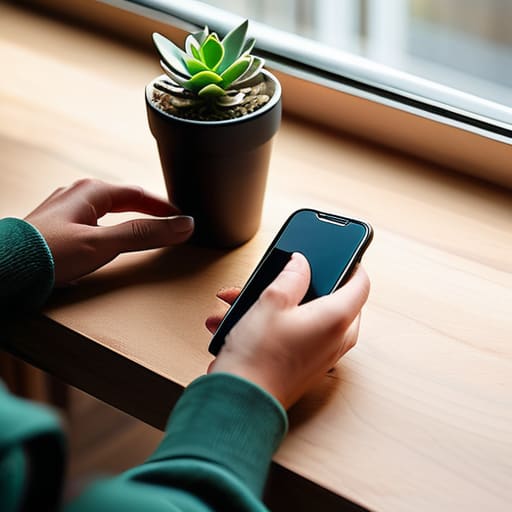
At the end of the day, you don’t need a studio full of expensive softboxes or a DSLR that costs more than my first car. We’ve covered the essentials: use the sun instead of a flash, keep your setup simple, and realize that the device already in your pocket is more than capable of doing the job. The goal isn’t to win a photography award; it’s to provide authentic visuals that tell your visitors who you are. Don’t let the technical jargon or the “pro” equipment lists intimidate you into thinking you can’t do this. Just focus on clean, honest images that serve the purpose of the site, and leave the rest to the experts who are just trying to sell you a subscription you don’t need.
I spent years over-engineering systems, thinking more complexity always meant better results, but I was usually wrong. A website is a living thing, and it needs to grow with you. Your photos don’t have to be perfect on day one; they just need to be real. Get out there, find some decent natural light, and start capturing your world. Once those images are uploaded and your site is live, you’ll realize that the hardest part was simply starting. Now, go get some shots done—I’ve got a telescope to calibrate.
