
I spent most of my career as a systems engineer, and if there’s one thing I learned from decades of troubleshooting, it’s that complexity is usually a mask for incompetence or a sales pitch. Nowadays, when you search for how to write for the web, you aren’t met with practical advice; you’re met with “content strategy gurus” trying to sell you a subscription to a tool you don’t need. They make it sound like you need a PhD in algorithms and a massive budget just to get a few sentences in front of a human being. It’s a complete racket, designed to make a simple task feel like rocket science so they can charge you for the launch.
I’m not here to sell you a course or a fancy new AI writing suite. I’ve been building sites since 1997, and I’ve seen every trend come and go while I sat in my shed with my telescope. My goal is to strip away the jargon and give you the straight truth: how to write for the web is actually about being clear, being brief, and getting out of the way. I’m going to show you how to write content that actually works without the expensive fluff.
Digital Copywriting Principles for the Impatient

People don’t read websites; they scan them like they’re looking for a faulty circuit in a dense schematic. If you present a wall of text, they’ll bounce before they even reach your second sentence. My advice? Stop trying to write a novel. You need to focus on scannable web content tips that respect the reader’s time. Use short paragraphs, plenty of white space, and bullet points. If a sentence doesn’t serve a direct purpose, it’s just noise, and nobody has time for noise.
When it comes to digital copywriting principles, the goal isn’t to sound clever—it’s to be understood. I’ve seen too many people try to use flowery language to mask a lack of substance. Instead, aim for clarity. Keep your sentences punchy and your ideas segmented. This isn’t just about aesthetics; it’s about improving online readability so your message actually lands. If you can’t explain what you do in two sentences, you haven’t thought about it hard enough yet. Just get to the point and let the reader move on.
Improving Online Readability Without the Fluff
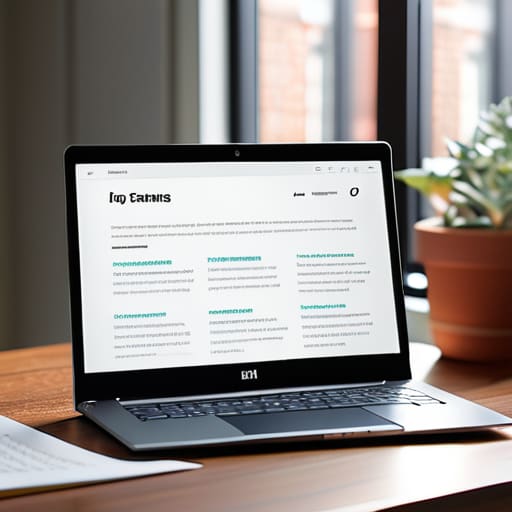
Look, people don’t read websites; they scan them like they’re looking for a specific part in a cluttered workshop. If you hand them a wall of text, they’ll bounce faster than a bad signal. My rule of thumb is simple: if a paragraph looks like a heavy textbook chapter, you’ve already lost. You need to focus on improving online readability by breaking things up. Use subheadings, bullet points, and plenty of white space. It’s not about being fancy; it’s about making sure the reader can find the point without squinting.
Most of your visitors are likely on a phone, probably while they’re waiting for a coffee or sitting on a bus. This means your content structure for mobile users has to be lean. Short sentences, frequent line breaks, and getting straight to the point are your best friends here. Don’t bury the lead under three layers of adjectives. If you can’t explain it in a way that’s easy to skim, you’re just adding to the digital noise. Keep it clean, keep it functional, and get out of the way.
Five ways to stop writing like a textbook
- Kill your darlings. If a sentence doesn’t move the reader to the next one, it’s just digital clutter. I’ve spent forty years stripping back circuits to the essentials; do the same with your prose.
- Use subheadings as a safety net. People don’t read online; they scan. If I can’t understand the gist of your page just by reading the bold bits, you’ve failed.
- Write like you’re explaining it to a colleague over coffee. Avoid the “corporate speak” that these agencies love to charge extra for. If you wouldn’t say it out loud, don’t type it.
- Bullet points are your best friend. Big blocks of text are where interest goes to die. Break things down into lists so the eye has a place to rest.
- One idea, one paragraph. Don’t try to cram the whole manual into a single section. Keep it modular. It makes it easier to read, and even easier to fix when you inevitably change your mind next year.
The bottom line
Stop trying to write a masterpiece; just get your point across clearly so people can find what they need and move on.
If a sentence feels like it’s working too hard, cut it—your readers aren’t looking for a literary prize, they’re looking for information.
Don’t let the tools or the “experts” convince you that you need a complex strategy to be understood; plain English is your best asset.
Cut the Noise and Get Moving

At the end of the day, writing for the web isn’t some mystical art form that requires a degree in digital marketing. It’s about respect. You respect your reader’s time by being direct, you respect their attention by keeping things readable, and you respect their intelligence by cutting out the marketing fluff. We’ve covered how to structure your thoughts for the impatient and how to strip away the unnecessary jargon that does nothing but clutter the screen. If you can master the art of the short sentence and the clear heading, you’ve already done more than most of the people currently trying to sell you “premium content optimization packages.” Just remember: keep it simple, keep it clean, and get to the point.
I’ve spent decades watching the tech industry try to convince people that every little task needs a complex, expensive solution. They want you to believe that your words need a special kind of magic to work online, but they’re usually just looking for an extra line item on your invoice. The truth is much more grounded. If you have something worth saying, just say it. Don’t let the fear of “not doing it perfectly” or “not having the right tools” stop you from hitting publish. You don’t need a fancy agency or a suite of expensive AI tools to make an impact. All you really need is a clear idea and the courage to be direct. Now, stop overthinking it and just start typing.
